
A Compassionate Caregiver's Guide to Understanding and Supporting Depression
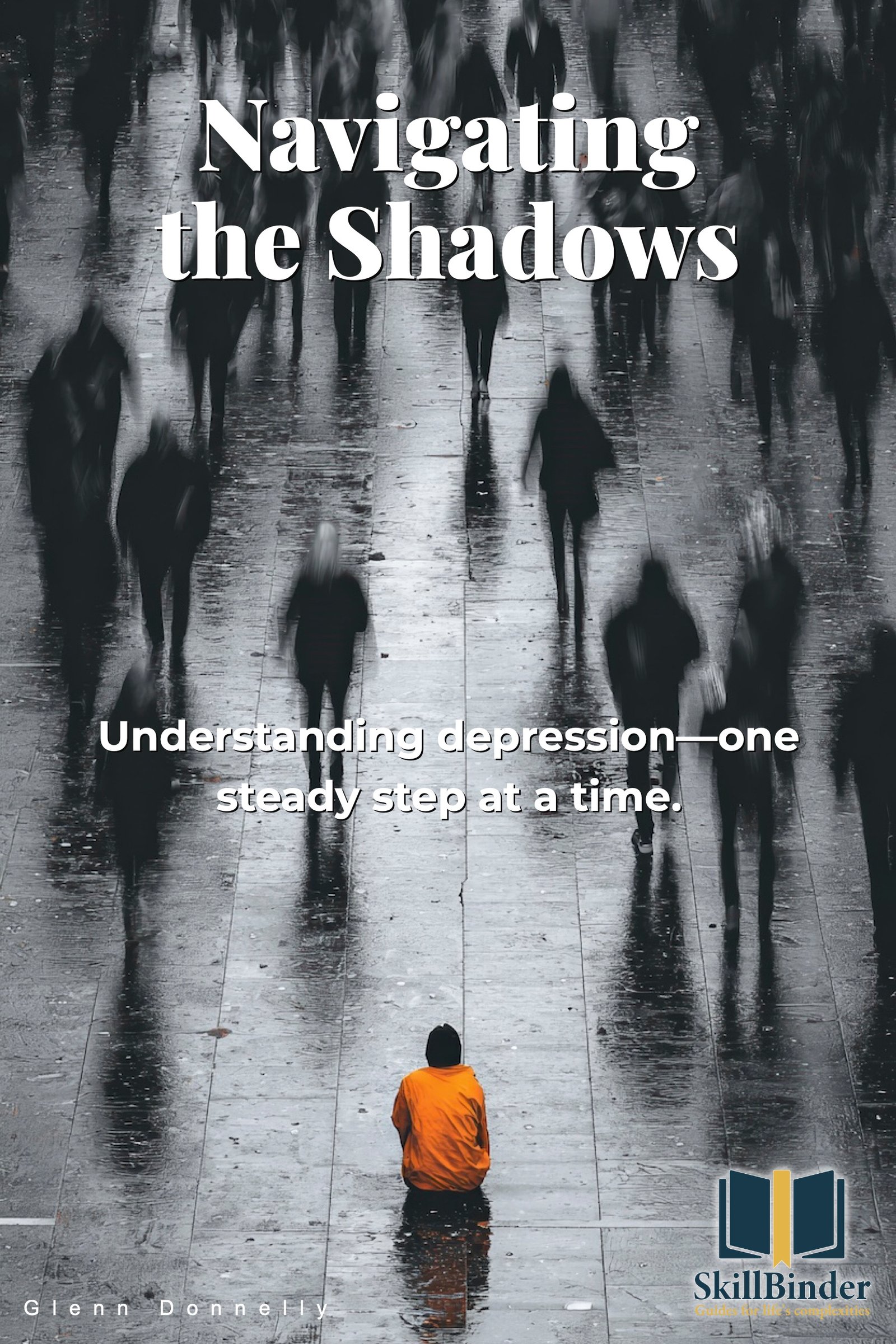
Caring for someone with depression can feel like walking through shadows — you know something is wrong, but it's hard to see clearly, hard to know what to do, and hard to find your way forward.
Navigating the Shadows is a compassionate caregiver's guide designed to help you understand and support depression — for heavy days and quiet struggles. This book recognizes that depression doesn't just affect the person experiencing it; it touches everyone who cares about them.
This guide helps you recognize the signs of depression, understand what's happening without medical jargon, and learn practical ways to provide meaningful support. It addresses the unique challenges caregivers face when supporting someone with depression — from recognizing when professional help is needed to navigating conversations about treatment, medication, and therapy.
You'll also find guidance on protecting your own emotional well-being, managing caregiver fatigue, setting healthy boundaries, and finding support for yourself. The book acknowledges that caring for someone with depression can be isolating, exhausting, and emotionally complex — and it gives you tools to navigate these challenges with compassion, both for them and for yourself.
This is not a clinical manual. It's a guide for real people, facing real moments, who need clarity, reassurance, and practical support.
Created by SkillBinder — Guides for life's complexities.
This compassionate caregiver's guide is designed to help you understand and support depression — for heavy days and quiet struggles. It recognizes that depression doesn't just affect the person experiencing it; it touches everyone who cares about them.
The book helps you recognize the signs, understand what's happening, and learn practical ways to provide meaningful support. It also addresses the unique challenges caregivers face, from protecting your own emotional well-being to navigating conversations about treatment and finding support for yourself.
This is not a clinical manual. It's a guide for real people, facing real moments, who need clarity, reassurance, and practical support.